
Antarctica Travel Essentials
Climate
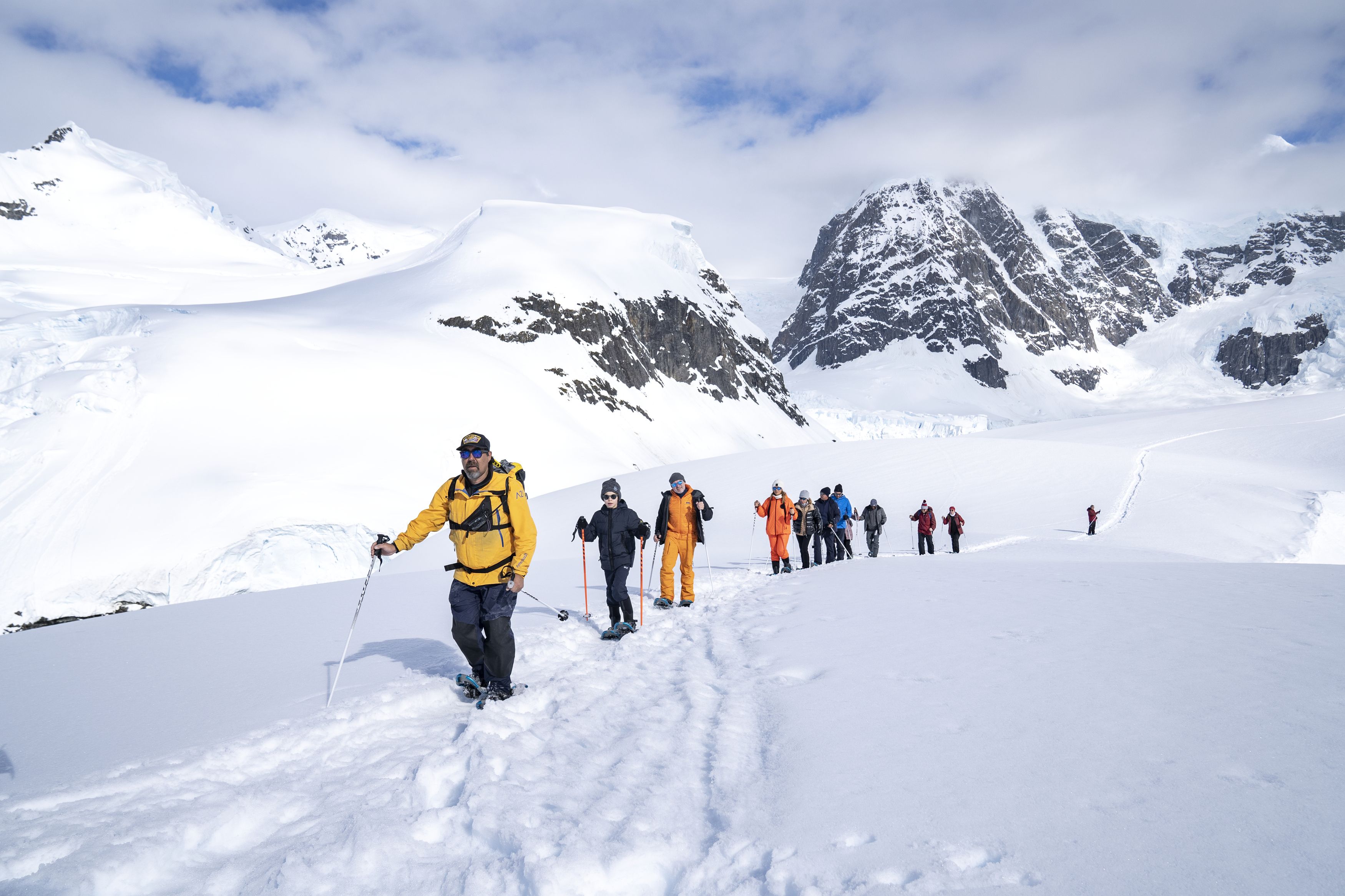
Extreme but manageable on the coast. During the navigation season, temperatures on the Antarctic Peninsula average between 23°F and 41°F (-5°C to 5°C). The dry air and intense sun can make it feel surprisingly mild.
Best time to visit
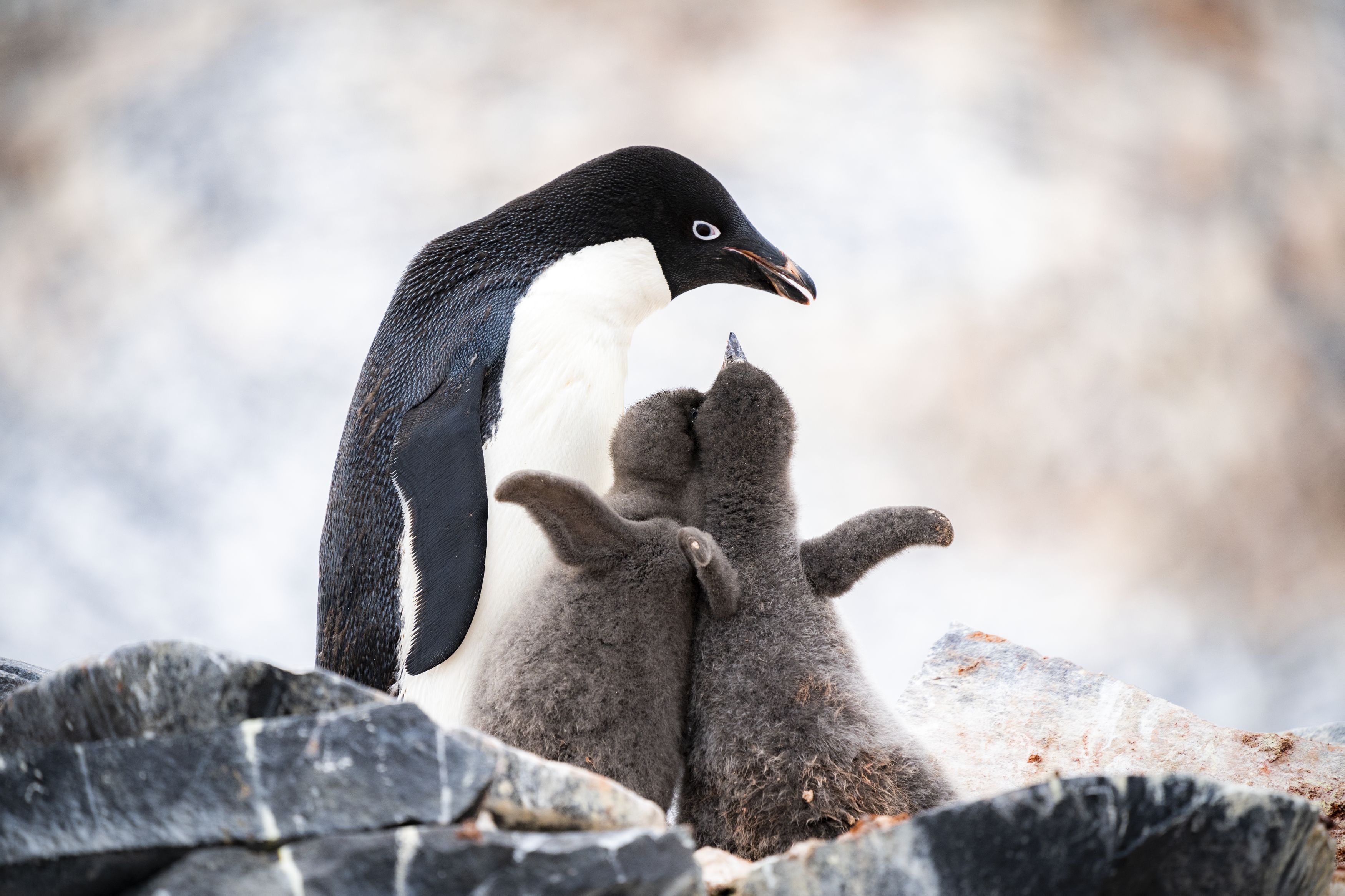
Late October to March (Austral Summer). November offers pristine snow and mating rituals; December and January provide 20+ hours of light and penguin chicks; February and March are peak for whale watching.
Duration
Expeditions typically last from 7 to 22 days, depending on whether you visit only the Peninsula or include South Georgia and the Falkland Islands.
How to get there
Most expeditions depart from Ushuaia (Argentina), crossing the legendary Drake Passage. For those seeking to save time, "Air-Cruise" options from Punta Arenas (Chile) allow you to fly directly to King George Island.
Must-See Experiences (The Antarctic Icons)
The Lemaire Channel: Often called "Kodak Gap," this narrow passage between towering cliffs and calm, mirror-like waters is one of the most beautiful navigations on Earth.
Deception Island: Sail into the flooded caldera of an active volcano. Here, you can explore abandoned whaling stations and even take a "Polar Plunge" in geothermally warmed waters.
Paradise Bay: True to its name, this is one of the few places where you can set foot on the Antarctic mainland, surrounded by dramatic glacial fronts and deep blue ice.
Port Lockroy: A historic British base turned museum and the world’s southernmost post office. It’s also home to a thriving colony of Gentoo penguins.
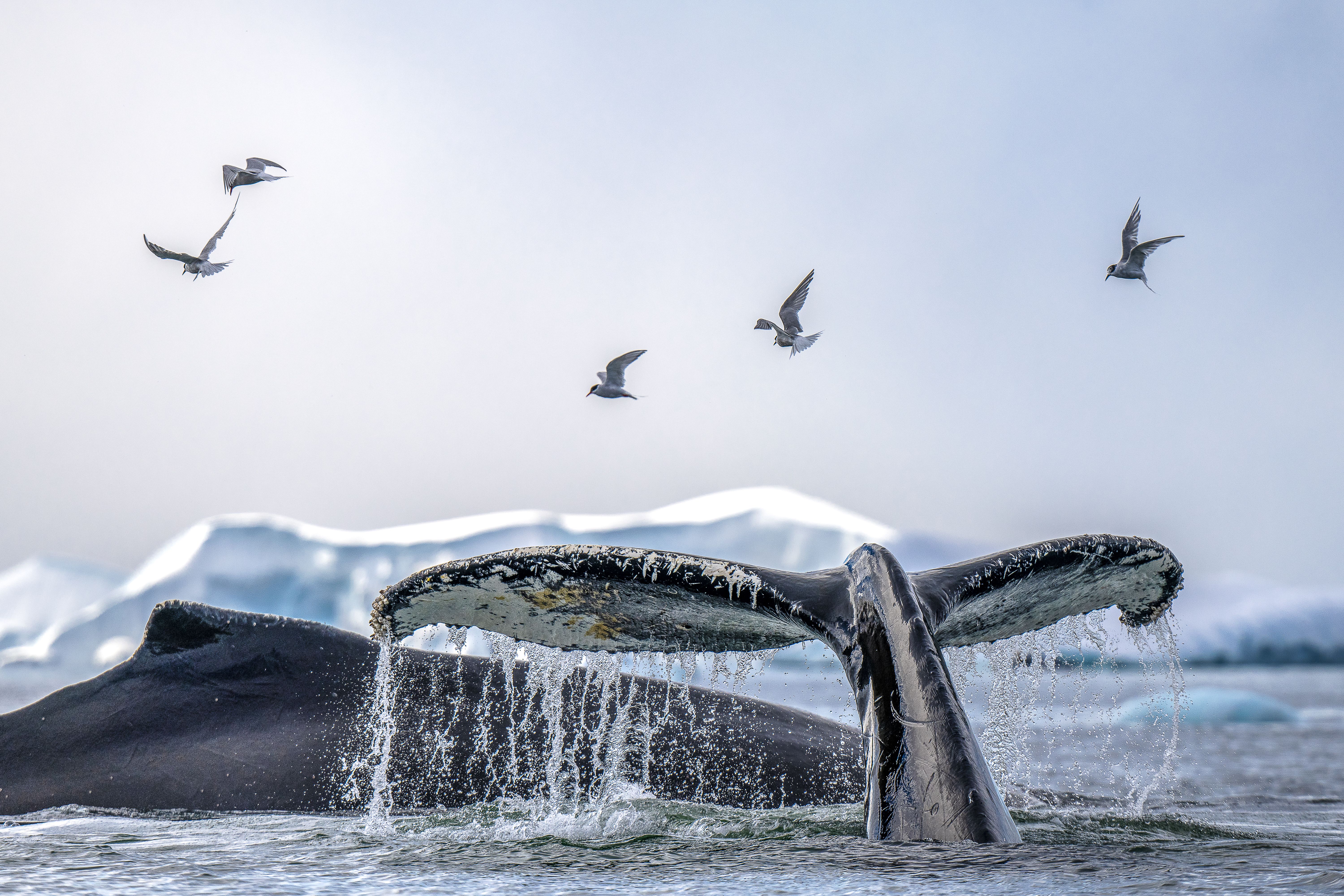
Whale Watching in Wilhelmina Bay: Known as "Whale-mina Bay" due to the sheer abundance of humpback and minke whales that congregate here to feed.