
Travel Essentials
Climate
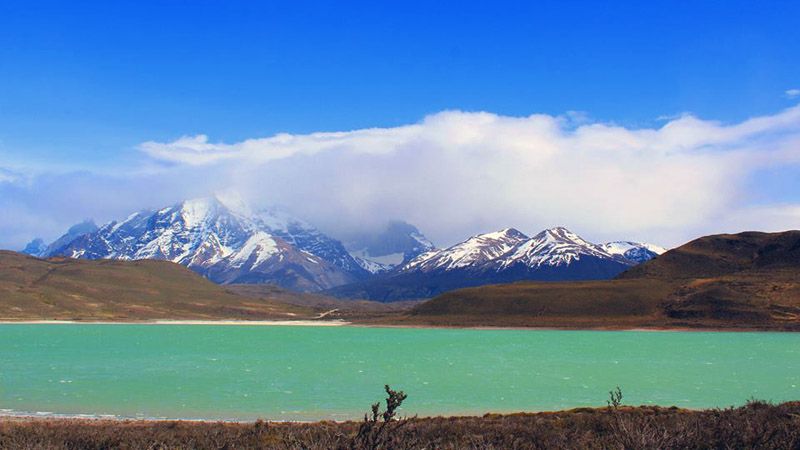
The Land of Four Seasons in One Day Patagonia’s weather is as dramatic as its landscapes. Torres del Paine is uniquely positioned, protected from the full force of the Southern Ice Field by a mountain range that creates distinct microclimates. While one valley may be bathed in sunshine, the next could be shrouded in mist or experiencing the region’s famous gusts.
Summer (December – February): This is the season of the "eternal sun." With up to 16 hours of daylight, you’ll have ample time for exploration. Daytime temperatures average 68°F (20°C), but the fierce Patagonian winds—which can reach 60 mph—often drop the perceived temperature significantly.
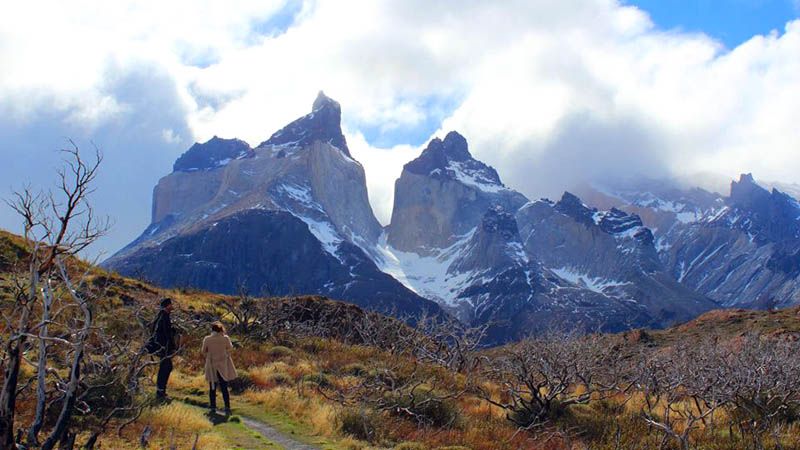
Shoulder Seasons (Spring & Autumn): September to November and March to May offer a more serene experience. The winds are generally calmer, and while the air is crisp (averaging 45°F to 55°F), the stunning spring blooms or vibrant autumn foliage provide a world-class backdrop for photography.
Winter (June – August): A quiet, snowy wonderland. Temperatures range from 28°F to 40°F, and while some trails are restricted, the park offers a raw, solitary beauty that few travelers get to witness.
Best time to visit
October to April. These months offer the mildest weather and the famous "never-ending days" with up to 16 hours of daylight.
Duration
1 Day for a highlights tour, or 4 to 5 nights to truly immerse yourself in the trekking circuits or enjoy the park's world-class lodges.
Logistics
Accessible via Puerto Natales (Chile) or as a full-day expedition from El Calafate (Argentina).
Must-See Experiences in Torres del Paine
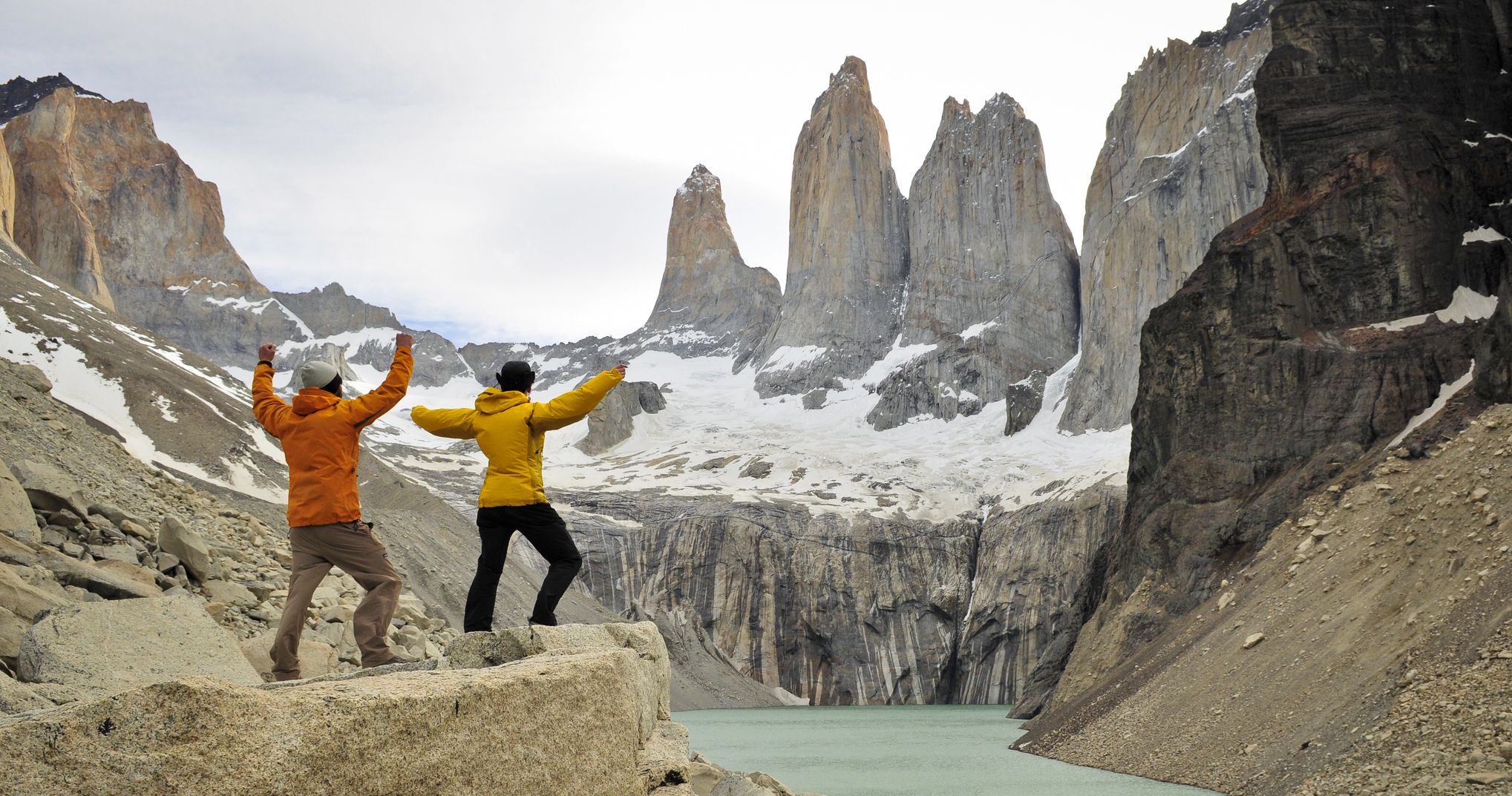
The Iconic "Las Torres" Viewpoint: The park’s namesake. A trek to the base of these three granite towers reveals a hidden glacial lagoon—a bucket-list moment for every traveler.
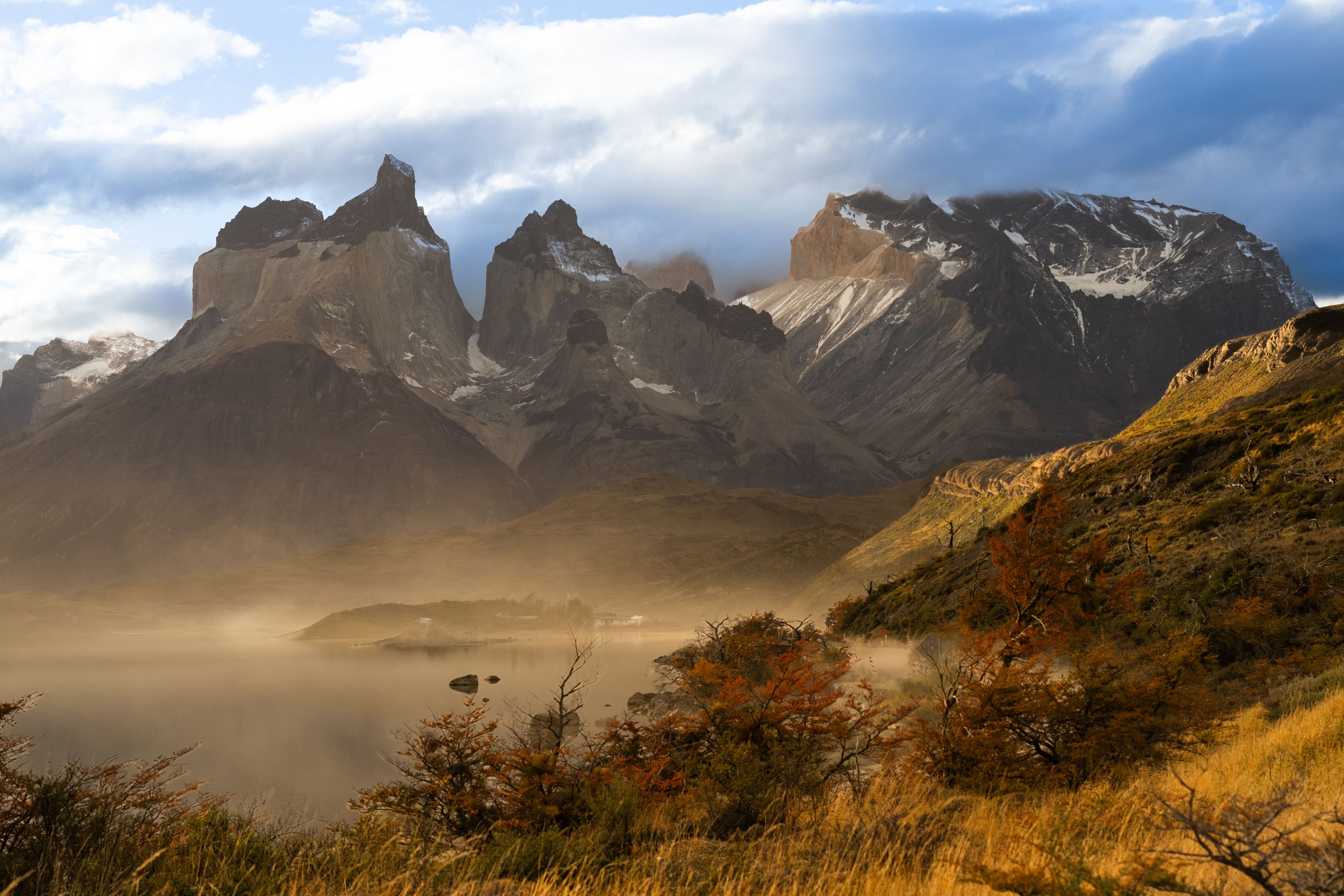
The Cuernos del Paine: Admire the striking "Horns" of the massif from the shores of Lake Nordenskjöld. Their unique two-toned granite and sedimentary rock are a photographer's dream.
Grey Glacier & Lake: Witness the colossal walls of blue ice from a boat navigation or a scenic walk. Seeing the massive icebergs floating in the gray-toned waters is a surreal experience.
Salto Grande Waterfall: Feel the power of nature at this thunderous turquoise waterfall that connects Lake Nordenskjöld and Lake Pehoé. It’s an easy, high-reward walk perfect for all ages.
Wildlife Spotting: Keep your camera ready for guanacos, foxes, and the elusive puma. The park is one of the best places in the world to see these majestic cats in their natural habitat.
What to wear in Torres del Paine? The Art of Layering
The weather in Torres del Paine is famous for delivering "four seasons in a single day." To stay comfortable while exploring, we recommend the professional three-layer system. This allows you to adapt instantly to the shifting winds and temperatures without missing a moment of the views.
The Base Layer (Moisture-Wicking): Start with high-quality synthetic or Merino wool fabrics. These keep you dry by wicking sweat away from your skin—essential for both cool mornings and active treks.
The Mid Layer (Insulation): A fleece jacket or a lightweight "puffer" (down or synthetic) provides the warmth you need. This layer traps your body heat while remaining breathable.
The Outer Layer (The Shield): A premium, waterproof, and windproof shell (like Gore-Tex) is your most important investment. It protects you from the sudden Patagonian rain and the legendary winds of the massif.
Footwear & Essentials:
Hiking Boots: Waterproof boots with solid ankle support are highly recommended for the uneven terrain of the trails. Ensure they are "broken in" before your arrival.
Accessories: Do not forget a warm beanie, UV-protection sunglasses, and high-SPF sunscreen—the Southern sun is exceptionally strong, even on cloudy days.